Written for intentional spenders.
Personal finance in plain words: money habits, budgeting, debt, saving, and the thinking behind the Mutation Path.
Latest

Credit cards
How to Change Your Credit Card Billing Cycle, and Which Date to Pick
How to change your credit card billing cycle or due date in India, the US and the UK, the month you switch, and how to line the due date up with payday.
8 min read

Credit cards
Credit Card Interest-Free Period: Up to 56 Days, Explained
Your credit card interest-free period reaches 56 days only if you buy on the right day and pay in full. How many days each purchase gets, and what cancels them.
7 min read

Credit cards
Credit Card Payment After the Due Date: India's 3-Day Rule
Paid your credit card after the due date? In India, no late fee or credit bureau report until it is more than 3 days overdue. But interest is charged anyway.
7 min read
2 posts
Personal finance basics
Where to start with money, what to look at first, and the few mistakes that cost the most.

The Biggest Money Mistakes Share One Missing Number
We spent an evening watching people confess their worst financial decisions. The biggest money mistakes all shared one thing: a number that arrived too late.
15 min read

The First Money Habit Isn't Saving — It's Looking
Where to start with money? Before saving or investing, look: know what came in and what went out. Why the order matters, and how to start in 30 seconds.
6 min read
7 posts
Tracking your spending
Why writing down what you spend works, how to make it a habit, and what bank-linking apps do with your data.

Manual Expense Tracking: Why Writing It Down Still Wins
Manual expense tracking, explained: why writing down what you spend still beats a bank feed, a routine of a minute or two a day, and the usual objections.
7 min read

Subscription Fatigue: How to Find Every Subscription You Pay For
How to find every subscription you pay for: a 20-minute audit, what the total costs over 5 years, and one tag that keeps every subscription in one list.
14 min read

The 30-Second Habit That Replaces a Budget
Looking for an alternative to budgeting? For most people a full budget is the wrong first tool. Start with a 30-second daily habit that does most of its job.
10 min read

Budget Spreadsheet vs App: An Honest Comparison for Manual Trackers
If you track your money by hand, should you use a spreadsheet or an app? An honest comparison on speed, maths, staying power and what you enjoy using.
8 min read
The Science of Writing Down What You Spend
Writing down what you spend changes how you spend, with no budget needed. Why self-monitoring works, why a bank feed loses it, and how to keep the habit going.
6 min read
What Bank-Linking Apps Actually Do with Your Data
Is it safe to link your bank account to a budgeting app? The connection is usually encrypted. The copies are the real question: who keeps them, and how long.
7 min read

Why Automated Budgeting Apps Don't Change Your Spending
Why don't budgeting apps work? Bank-synced apps promise you will never think about money again, and they keep it. Why that stops your spending from changing.
6 min read
4 posts
Budgeting
Budget methods like zero-based, 50/30/20 and flex, and how to pick the one that fits your month.

Why Your Budget Fails by the 15th
Why budgets fail around the 15th: 4 flaws in the way most budgets are built, none of them about willpower, and the simple change that fixes each of them.
6 min read

Flex Budgeting: Three Numbers Instead of Thirty
Flex budgeting compresses the classic budget into three buckets (Fixed, Flex, and Non-Monthly) and one number to watch. How it works, and why it holds up.
6 min read

The 50/30/20 Rule: When It Works and When It Lies
The famous needs/wants/savings split is a great first map and a terrible law. Where 50/30/20 genuinely helps, where it quietly misleads, and how to adapt it.
7 min read

Zero-Based Budgeting for Beginners, Explained Gently
Zero-based budgeting gives every part of your income a job before the month starts. Here is how a month runs, what it asks of you, and an easy 3-month start.
7 min read
4 posts
Debt and loans
Clearing what you owe: which debt to pay off first, and how people slide into debt without noticing.

What Your EMI Is Made Of: Principal, Interest and Why It Shifts
Your EMI, the fixed monthly loan payment, is two payments in one. How to read its principal and interest breakdown, and why the split moves every month.
6 min read

One Extra Payment: The Prepayment Math Banks Don't Advertise
Should you prepay your loan, and reduce the tenure or the EMI? What one early extra payment does to the interest, when it saves nothing, and how to choose.
8 min read

We Watched 17 People Explain Their Debt. Here Is What Repeated
We watched 17 people explain how they fell into debt. Not one could say where the money went. Here is what repeated, and the number that would have changed it.
16 min read

Debt Avalanche vs Snowball: The Math and the Psychology
Avalanche saves the most interest. Snowball closes whole debts sooner, and research links that to getting out of debt. Here is how to pick your order.
8 min read
11 posts
Credit cards
How card billing cycles, statement dates and due dates work, and what decides whether you pay interest.
How to Change Your Credit Card Billing Cycle, and Which Date to Pick
How to change your credit card billing cycle or due date in India, the US and the UK, the month you switch, and how to line the due date up with payday.
8 min read
Credit Card Interest-Free Period: Up to 56 Days, Explained
Your credit card interest-free period reaches 56 days only if you buy on the right day and pay in full. How many days each purchase gets, and what cancels them.
7 min read
Credit Card Payment After the Due Date: India's 3-Day Rule
Paid your credit card after the due date? In India, no late fee or credit bureau report until it is more than 3 days overdue. But interest is charged anyway.
7 min read

Credit Card Payment Due Date: How Many Days You Get to Pay
Your credit card payment due date falls 2 to 4 weeks after the statement. The days you get by country, the cut-off time, and what a weekend due date means.
8 min read

Credit Card Statement Date: What the Closing Date Means
Your credit card statement date, or closing date, ends each billing cycle. What happens that day, when statements arrive, and what next closing date means.
8 min read

When Is Your First Credit Card Payment Due? The First 60 Days
When is your first credit card payment due? Usually about 7 to 8 weeks after the account opens: a month to the first statement, then weeks to pay. The dates.
9 min read

How Long Is a Billing Cycle? Days, Months and 15 Billing Cycles
A credit card billing cycle runs 28 to 31 days, from one statement date to the next. How to count your own, and how long 15 or 21 billing cycles last.
8 min read
How to Find Your Credit Card Billing Cycle and Bill Generation Date
How to find your credit card billing cycle: one date gives it away, the statement or bill generation date. Where it's printed, and how to find it without one.
7 min read

When Does Your Credit Limit Reset? How Paid-Off Credit Comes Back
When does a credit limit reset? Never on a date: available credit comes back as each payment clears. Why that can take days, and what credit cycling risks.
7 min read

When to Pay Your Credit Card Bill: Statement Date or Due Date?
When to pay your credit card bill depends on the goal: by the due date to avoid interest, before the statement date for your score. And the 15/3 rule, checked.
7 min read
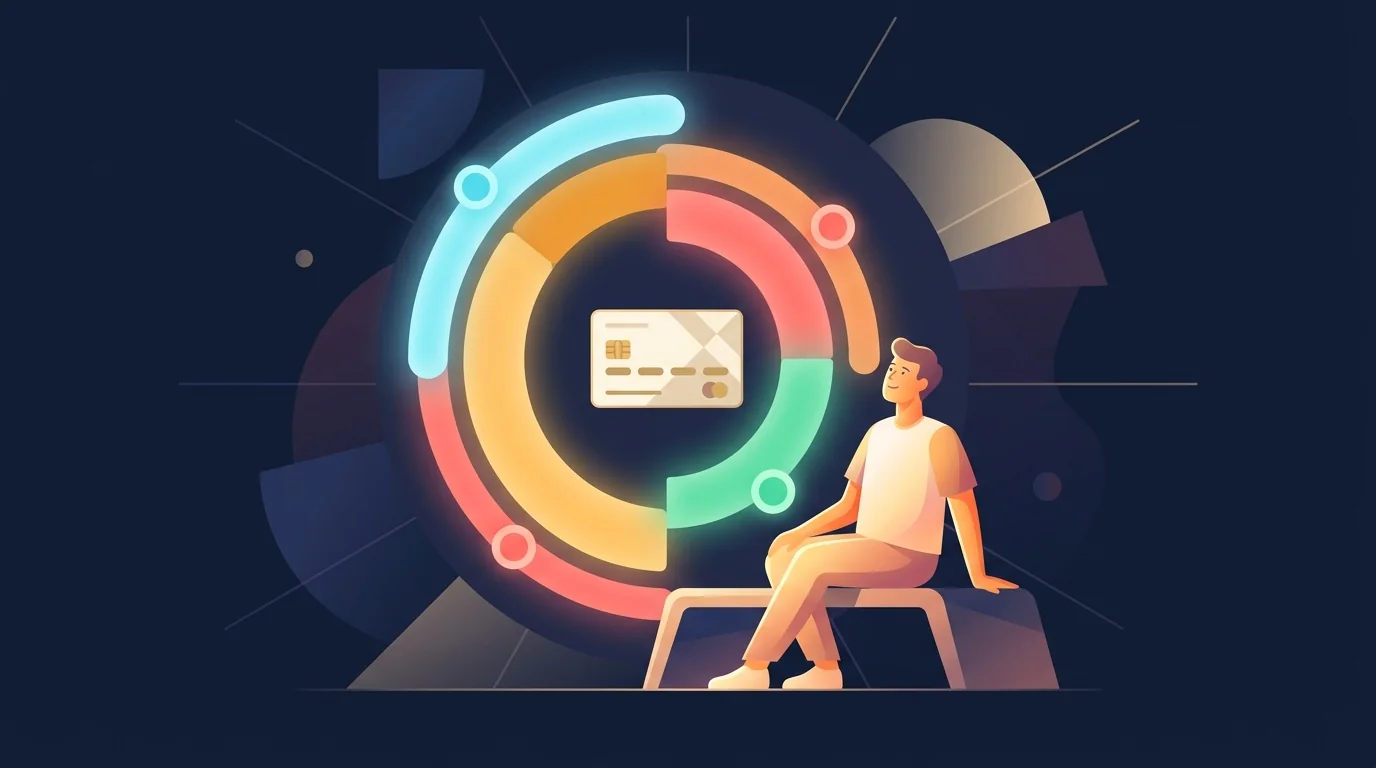
Credit Card Billing Cycle: Statement Date, Due Date and Grace Period
A credit card billing cycle is usually 28 to 31 days, from one statement date to the next. Here is how the due date and grace period work, with real dates.
11 min read
1 post
Saving and emergency funds
Saving more of what you earn, and building a cushion for the months that go wrong.

2 posts
Wealth and financial independence
How wealth grows over years, and the steps toward a life where work is optional.

How to Track Your Net Worth: The One Number That Tells the Story
How to track your net worth: what counts, what doesn't, how to work it out in one evening, and why the direction it moves matters more than the number.
5 min read

Stealth Wealth: Why the Richest People You Know Look Ordinary
The wealthiest person on your street probably drives the old car. Stealth wealth is a way of spending in a fixed order, and it works on any income at all.
13 min read
6 posts
Money habits and psychology
The feelings behind money decisions, from guilt and worry to the urge to buy, and the habits that ease them.

Lifestyle Creep: The Raise You Never Felt
Lifestyle creep, or lifestyle inflation, is how a raise vanishes into upgrades you stop noticing. How to spot it in your savings rate and keep the next raise.
7 min read
How to Stop Impulse Buying: The Psychology and the Two-Second Pause
How to stop impulse buying without relying on willpower: why the urge peaks before you pay, and how writing down what you spend puts a two-second pause back.
6 min read

Financial Anxiety Is Not a Math Problem
If spreadsheets cured money worry, nobody would worry. Why financial anxiety lives in the not-knowing rather than the numbers, and what actually calms it.
5 min read

Money Shame vs Money Accountability: They're Not the Same Thing
Money shame says you are bad with money. Accountability says what happened. How to tell which one you feel, and the daily swap that turns one into the other.
7 min read

Scared to Check Your Bank Account? Why You Avoid It and How to Stop
Money avoidance is a stress response, not a character flaw. The psychology behind why you look away — and a gentle 5-minute habit that brings you back.
7 min read
How to Stop Feeling Guilty About Spending Money
Feeling guilty about spending money rarely changes what you spend. It makes you look at your balance less. Where the guilt comes from, and what to do instead.
7 min read
Prefer a feed reader? Subscribe via RSS